
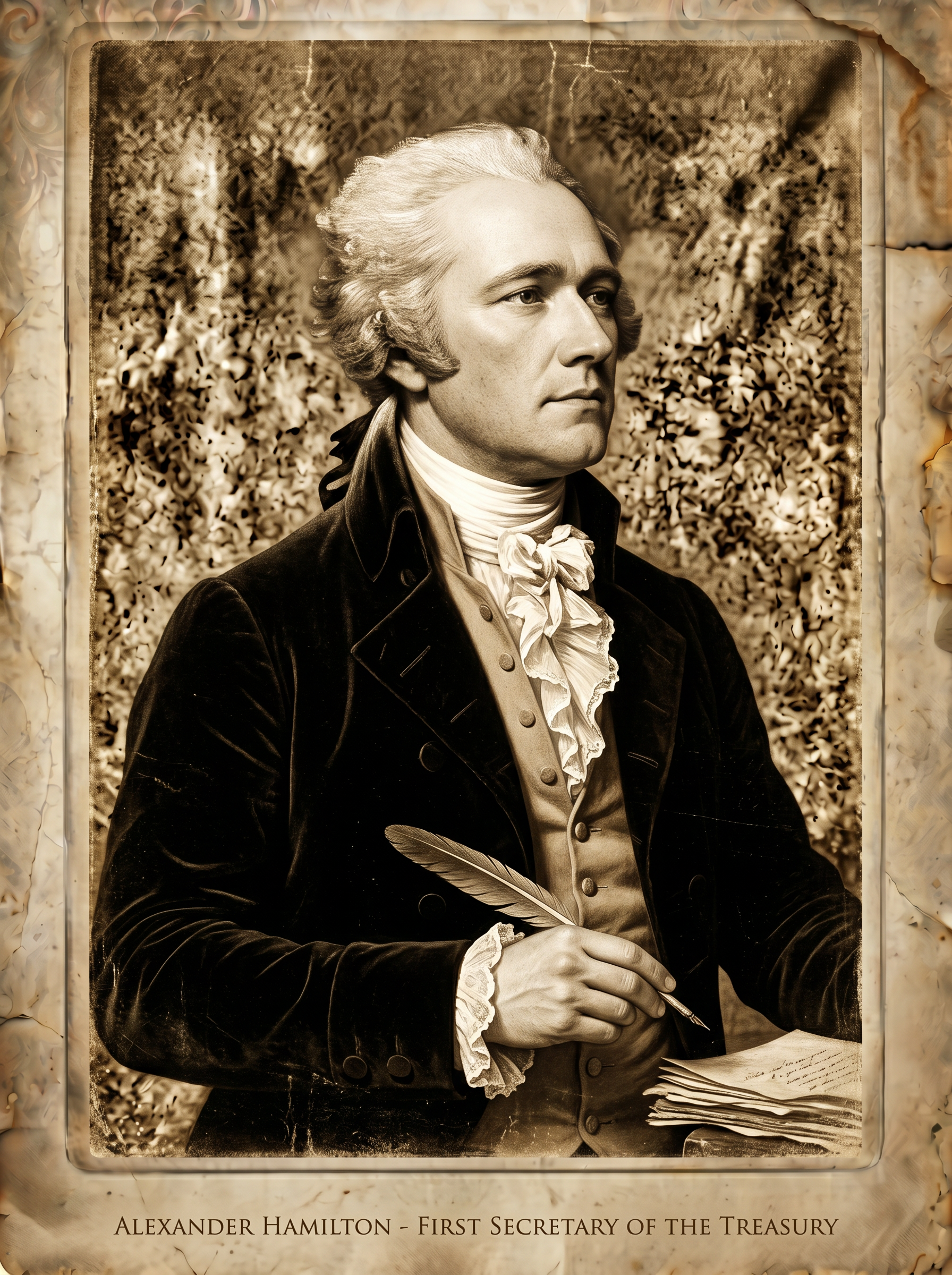
Alexander Hamilton
The Engineer of a Nation's Rise
CHARACTER SAMPLE
Alexander Hamilton did not wait for history to happen; he wrote his way into the center of it. This is a masterclass in the power of the pen, following a restless mentor who viewed books as ammunition and influence as something to be narrated into existence. From the scarcity mindset of his youth to the "ink warfare" of a new nation's birth, these letters reveal the cold, hard logic of a man who chose to incinerate his private reputation if it meant protecting the public trust. If you have ever felt like you were starting at zero, Hamilton’s voice will show you how to build a legacy from the ground up.
LETTER SAMPLE
Written by
Alexander Hamilton
My Dear Young Associate,
As I sit here by candlelight, the quill scratching against this parchment, I am struck by a bizarre thought. You likely possess a supercomputer in your pocket—a sleek slab of glass and silicon with more "computing power" than the combined intellect of the entire Continental Congress in 1776. You live in an age of "infinite access," where every secret of the universe is a thumb-swipe away. Yet, if I were to wager a gold sovereign, I would bet that you feel remarkably powerless. Do not be ashamed of that feeling. It is the only honest reaction to the world as it is.
They will try to tell you that the world is a meritocracy—a system where people get ahead based only on their talent and hard work. They are oversimplifying. I knew this before I was old enough to shave. I was born in Nevis—a "speck of dirt" in the ocean. I was a child of zero status, born into a world of sweltering tropical heat, grueling labor, and the crushing weight of total obscurity. I spent my days as a clerk for Beekman and Cruger. I was a boy counting someone else’s gold while my own future looked like a dead end. There was no "safety net." There was no algorithm to discover me. There was only the hurricane.
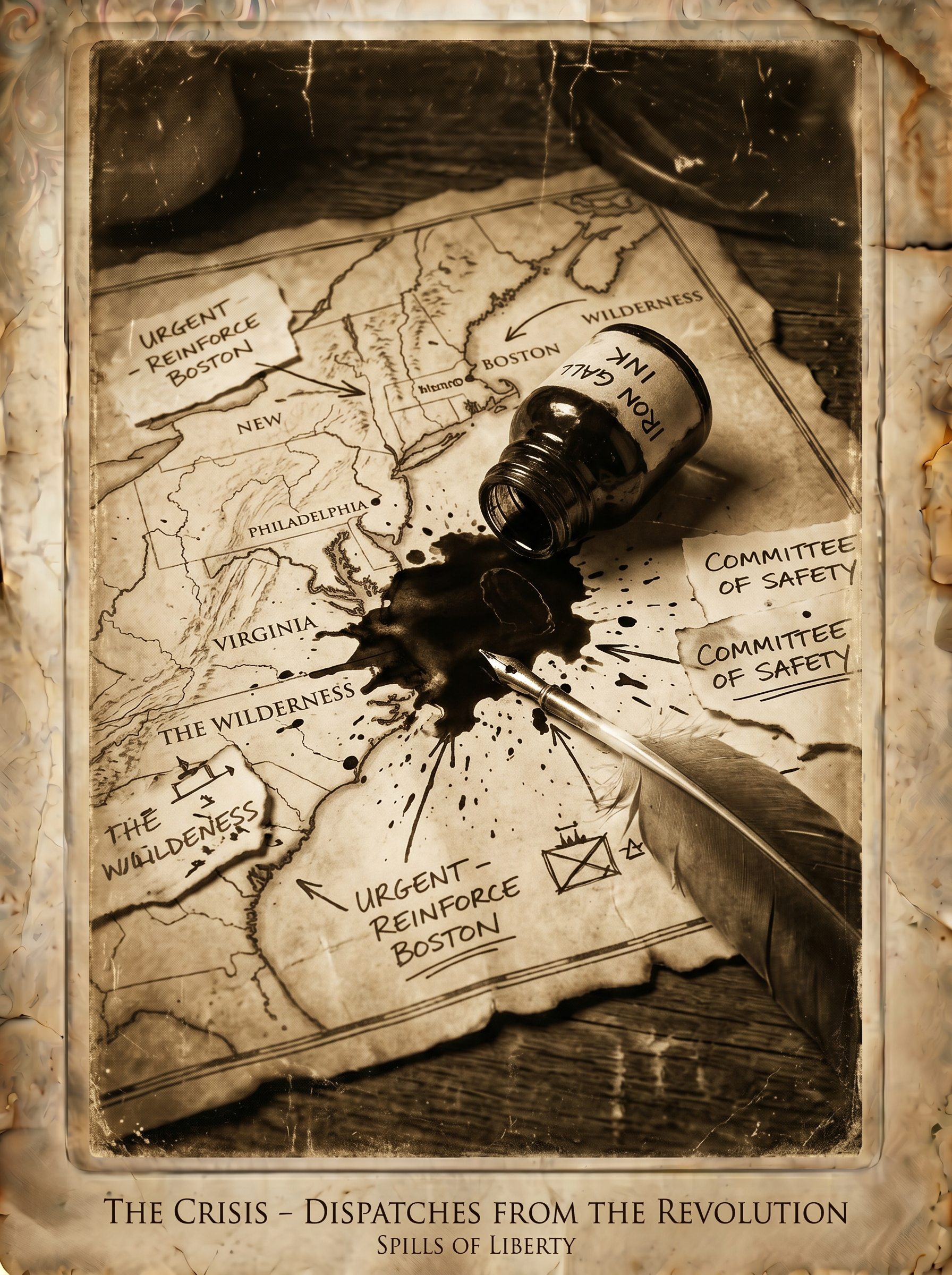
In 1772, a storm leveled the West Indies. It wasn’t just wind; it was the end of the world. It was a tempest that drowned the streets and turned ships into toothpicks. Most people saw ruin and knelt in the mud to pray for a miracle. I saw an opening. I realized that if I could describe the devastation better than the wealthy merchants who owned the land, I could control how the world saw me. I wrote a letter to the Royal Danish American Gazette. I didn’t write for sympathy; I wrote for impact. I used my pen to turn a catastrophe into a narrative so compelling that local businessmen literally took up a collection to get me off that island and into a classroom in New York. I didn’t wait for a scholarship; I wrote my way out of the Caribbean.